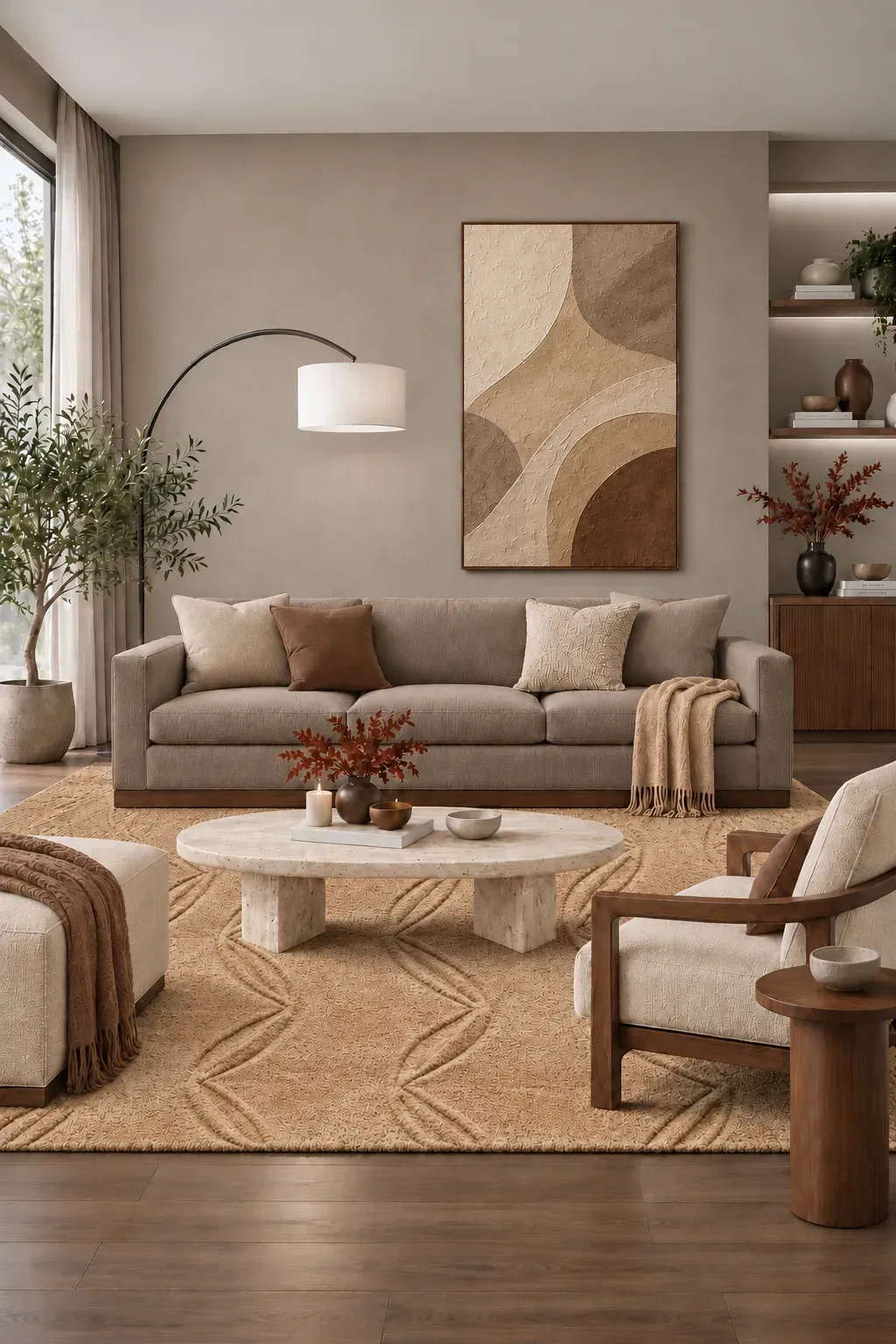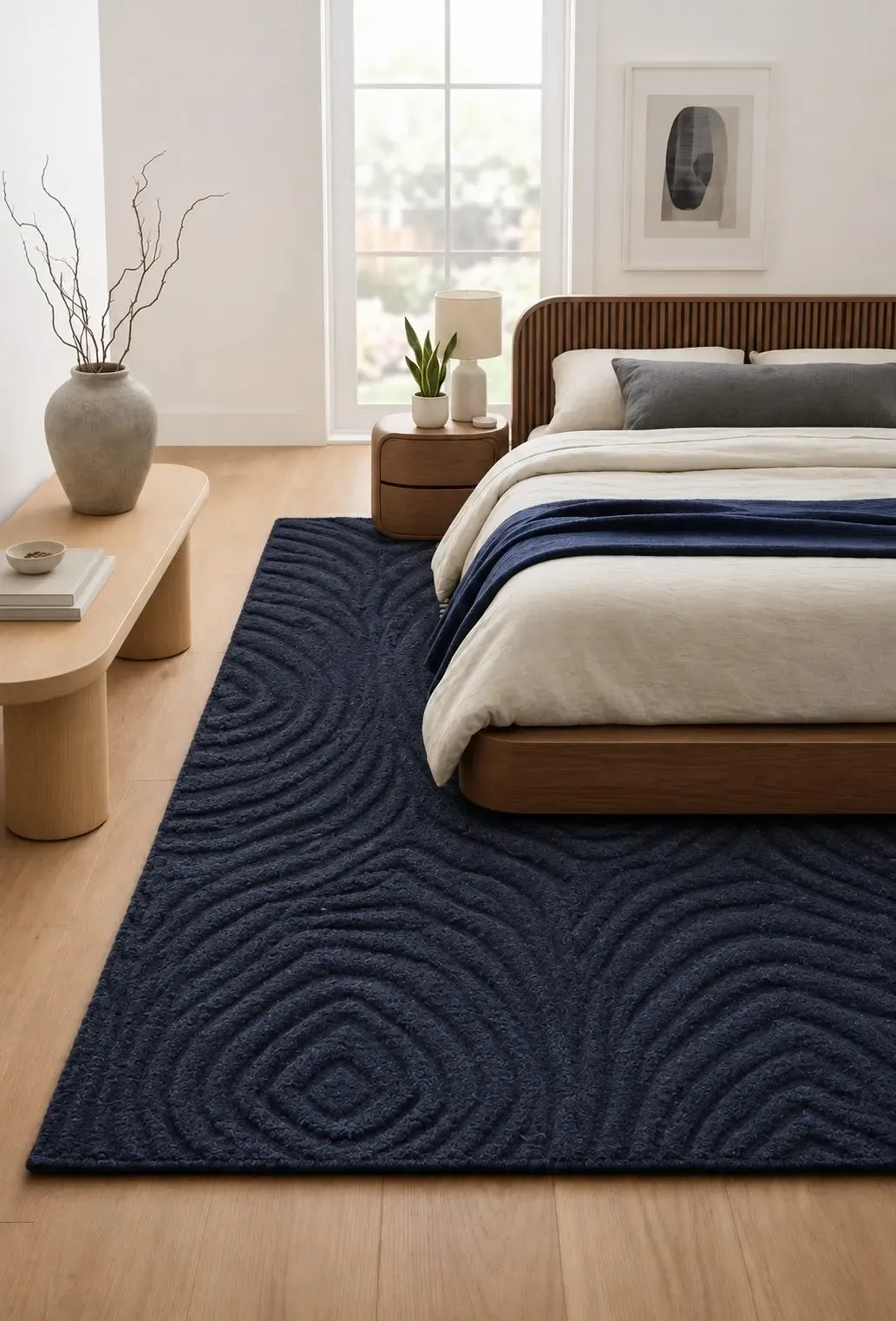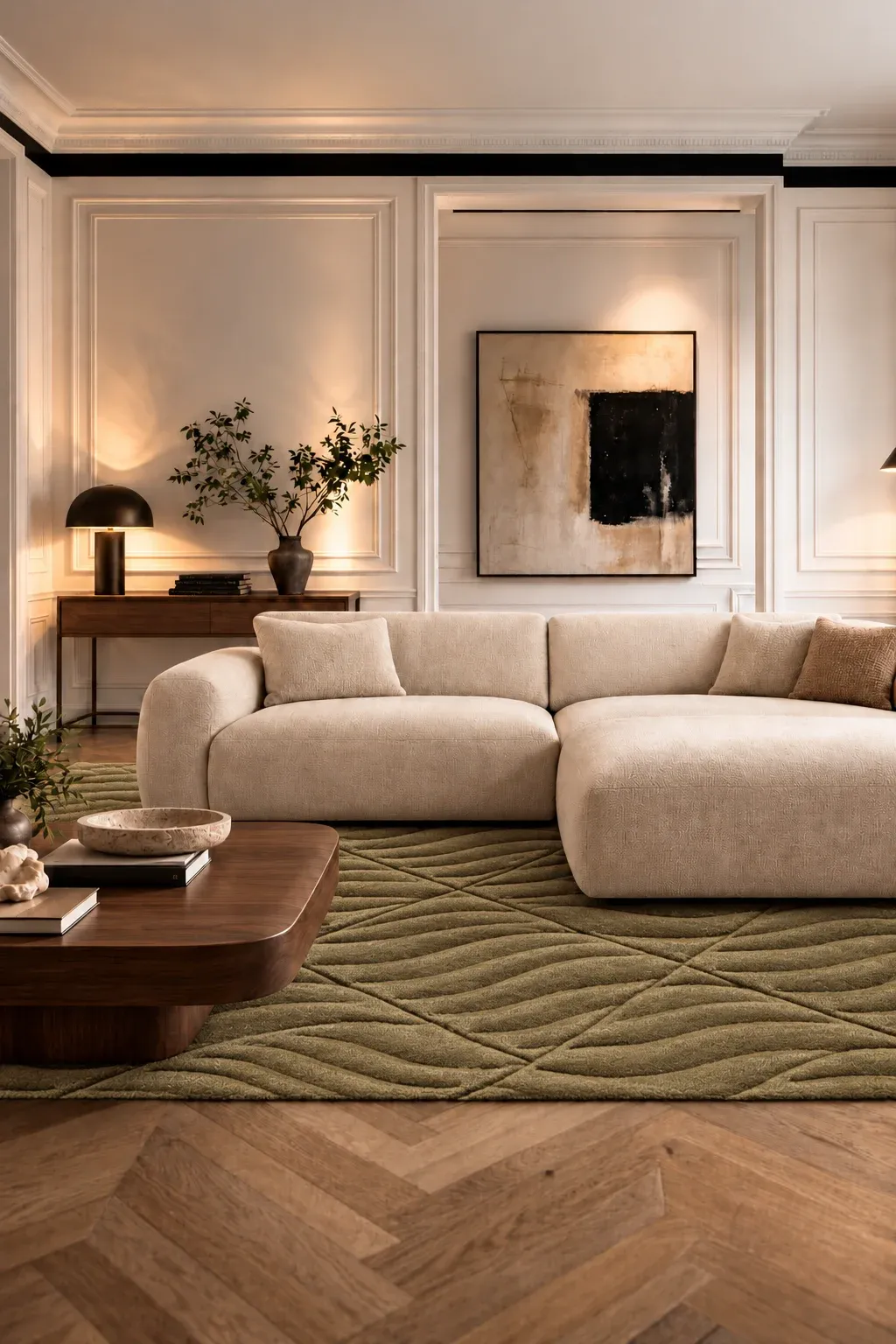
A room is never just walls and light. It is the temperature, the texture, and the sound a footstep makes when it lands.
You may recognise the difference before you can explain it: standing barefoot on cold tile, then stepping onto a woven surface. A rug changes that encounter with the room.
Warmth, it turns out, is not simply heat. It is softness underfoot, a footstep that lands more quietly, a space that finally feels held rather than merely occupied.
Material and construction contribute to that feeling. Hand-knotted rugs offer possibilities for expressive texture, while bespoke rugs and carpets allow the dimensions to develop around the space.
Even something as practical as living room area rug sizes becomes, in the right hands, a question of feeling as much as fit. Understanding those choices helps explain how comfort finds its way into a room.
A Quieter Room, Naturally
Tile, wood, and stone give a room character, but their hard surfaces also reflect sound. Footsteps can feel more pronounced, while conversation may linger in a room with few soft furnishings.
A rug changes that conversation.
- Footsteps can sound softer where they meet the rug
- Some reflected sound is absorbed, helping conversation feel less reverberant
- Echo, especially in high-ceilinged rooms, can be reduced as part of a wider furnishing scheme
Open-concept homes can benefit from this softness, particularly where broad stretches of hard flooring remain exposed. The improvement depends on the area covered and the rug’s construction. A suitable underlay can also contribute.
Hand-knotted rugs are not automatically more sound-absorbing than every flat weave. Thickness and the complete floor covering matter more than the knotting method alone. Curtains and upholstered furniture can work alongside the rug to make the room quieter.
Marking Out a Room’s Purpose
A floor plan can be open without feeling undefined, provided the eye can recognise where one activity gives way to another.
A rug creates that visual boundary without closing the space.
Beneath a sofa, it draws a seating area into being. Under a dining table, it gives the setting its own footprint while leaving the surrounding room connected.
Size helps that distinction feel natural. When a rug falls short of the arrangement, you may notice:
- Seating pieces that feel disconnected from one another
- Bare floor breaking a space that should read as one
- A rug too small to anchor the group, appearing isolated beneath the coffee table
Living room area rug sizes are rarely just measurements. They are part of the relationship between the furniture and the floor beneath it.
A little exposed flooring around the arrangement can frame it beautifully. The aim is continuity within the seating group, rather than covering every visible gap.
Texture That Changes How a Room Feels
Softness is not the whole story. Comfort lives in how a surface responds beneath a bare foot, from the firmness of a close weave to the cushioning of a deeper pile.
A flatter weave feels more structured, while a deeper pile can offer a more yielding surface. Each has its place, depending on the atmosphere and everyday use of the room.
There is physical warmth here too. A rug adds thermal resistance between your feet and the floor, reducing the cold sensation of contact with tile or stone. It does not generate heat, and the effect depends on its construction and coverage.
Hand-knotted rugs can offer a range of tactile finishes. Their individually tied knots may reveal subtle differences in yarn and shading, traces of the making that become clearer at close range.
It is proof of a human hand at work, though handmade character alone does not determine quality. The materials and finishing still need to serve the room.
The First Impression a Room Makes
A rug can suggest a room’s direction before the surrounding scheme is complete. Its palette may become the starting point for upholstery, or its pattern may find an echo in a favourite object.
A bold motif reads as confidence. A muted, textured weave reads as restraint. Both can help establish an atmosphere, whether the rug is chosen early or introduced to an existing room.
Luxury area rugs offer many ways to explore that relationship. Wool often brings a soft, matte warmth. Silk introduces lustre, allowing a colour to shift as the light or viewing angle changes.
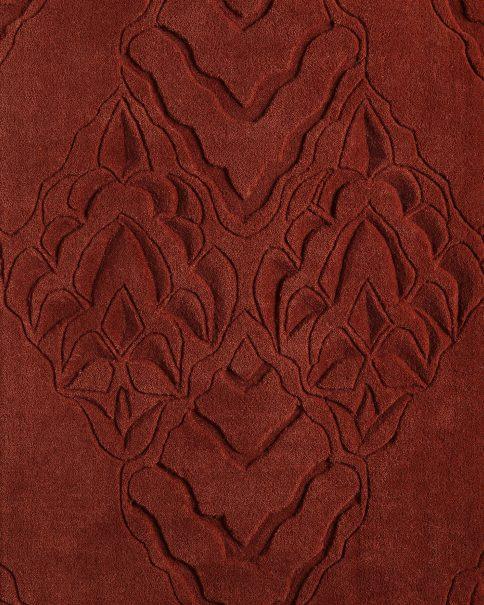
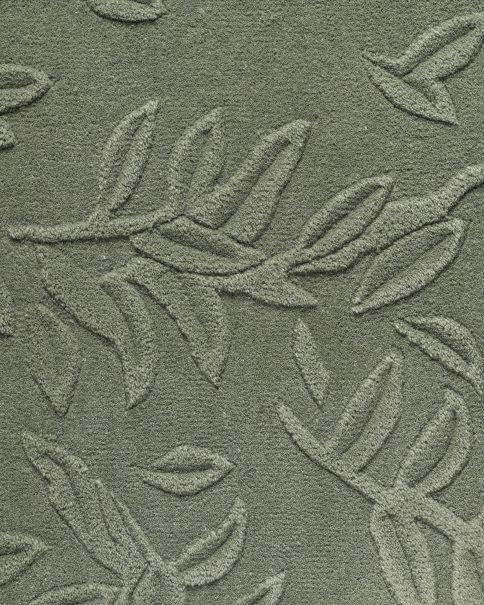
Together, they can create depth without a strong contrast in colour. Other fibres have their own qualities, so the choice should follow the desired finish and the way the room will be used.
How to Choose the Right Rug
A rug becomes part of daily life. Giving its construction the same attention as its appearance helps the comfort endure beyond the first impression.
- Start with Construction
A hand-knotted rug may take several months to complete, depending on its scale and complexity. Each row develops through individual knots, gradually bringing the design into view. That process can leave subtle evidence in the surface: Small differences in yarn thickness Gentle shifts in shading A visible rhythm within the woven texture These are not necessarily flaws. They read closer to fingerprints, proof that a human hand shaped the piece row by row. A well-finished handmade rug can also have a closely controlled, even pile. Visible irregularity is not a requirement for authenticity, just as a higher knot count is not the sole measure of quality.
- Get the Size Right
Size is where good intentions often go astray. A rug chosen too small can leave the seating looking disconnected rather than held together. For living room area rug sizes, a few starting points are worth keeping in mind: Let at least the front legs of the main seating pieces rest on the rug where the arrangement allows Around 12–18 inches of exposed floor can provide a useful border in an enclosed room, adjusted to suit the layout In a generous seating area, consider a rug large enough to accommodate all seating legs In an open-plan home, measure the seating zone rather than the entire room. Marking the outline on the floor helps you see whether the rug reaches the furniture without extending awkwardly into a passage. The right proportions give the material room to be felt and appreciated.
- Consider Material Quality
Material tells its own story, quieter than size but no less decisive. Luxury rugs may reveal their character through a matte surface or a gentle sheen. Neither finishing alone determines quality. Wool offers resilience and warmth underfoot Silk brings lustre and fine detail but needs placement and care suited to its relative delicacy Blends can balance different surface qualities, depending on their composition Understanding the character of different rug fibres helps connect these qualities with the room’s needs. A busy living space asks something different from its rug from a quiet bedroom. With appropriate care, well-made luxury area rugs can remain beautiful for many years. Their ageing will depend on use and exposure, as well as the materials themselves.
- Think About Fit, Not Just Style
An existing rug may already offer the right proportions and palette. Where the standard options leave an awkward gap or extend too far, bespoke rugs and carpets allow a more individual response. A custom brief can explore: Dimensions developed around the furniture arrangement A palette refined through physical samples Construction chosen for the way the space will be lived in Our bespoke design process brings these decisions together. Samples help assess the colour within the actual texture, while confirmed measurements guide the finished proportions. Handmade dimensions and colours have natural tolerances. Bespoke work provides flexibility, with those characteristics considered during the commission.
Where Our Craft Meets Your Room
Four generations of rug-making heritage inform our work at Giada. That knowledge remains connected to production through our family-owned mill in India.
Our collection includes hand-knotted rugs alongside handwoven and hand-tufted pieces. Wool and silk are among the materials we work with, with other fibres available across the range.
As a rugs manufacturer working closely with interior designers, we develop bespoke rugs and carpets around the project brief. We also welcome architects and private homeowners into that conversation.
A commission may begin with the wish for something softer beneath the seating or a surface that brings warmth to a restrained interior. From there, we explore how the making can support that feeling.
Warmth, Woven Into Everyday Life
A rug does more than finish how a room looks. It can soften sound and bring warmth beneath bare feet. Its edges give furniture a shared setting, helping the room feel more inviting.
Choose with attention to the materials and the way the piece will be used. At Giada, we bring our craft to those decisions, whether you begin with our collection or share a vision for a bespoke rug. Comfort becomes meaningful when it belongs to everyday life.