Every rug we make begins long before the weaving starts. Behind it is knowledge passed through a family, refined through years of working with yarn and loom.
At Giada, bespoke rugs bring that inheritance into the present. A room may ask for an unfamiliar shape or a different expression of colour. The craft gives us a way to explore it, drawing on the experience held within our family-owned mill in India.
Where Heritage Begins
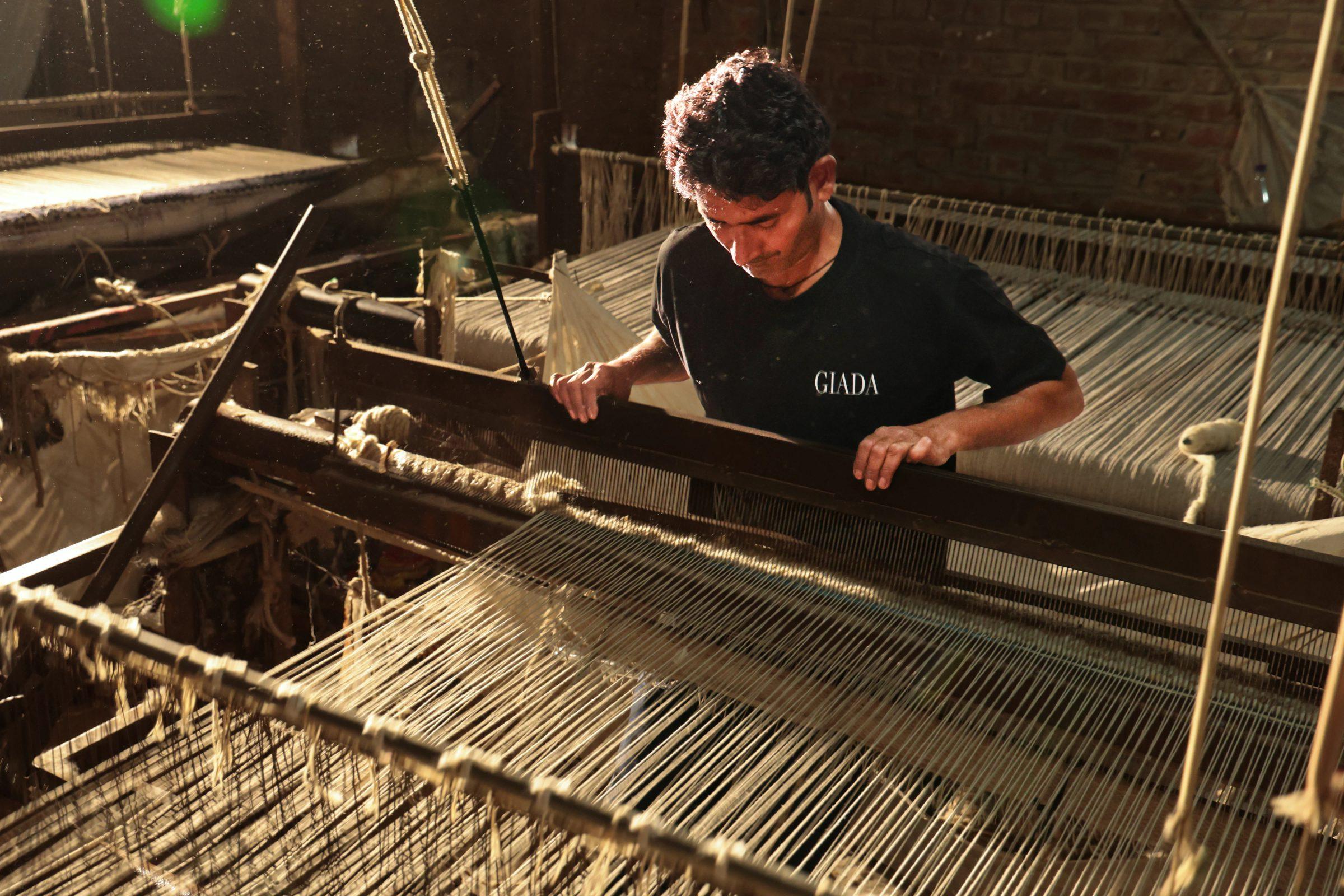
Our rug-making heritage stretches back more than a century. Its continuity lives in the understanding of materials: how a fibre behaves under tension, or how a woven surface responds to finishing.
Nitin Garg, our co-founder and creative director, represents four generations of that family tradition. His knowledge of weaving informs the work at our mill, from fibre selection through to quality control.
Alongside him, co-founder and creative director Julien Hakoun brings a contemporary design perspective. His work connects traditional craftsmanship with the interiors our clients imagine today.
Together, they shape an approach built around collaboration. We work with designers, architects and private clients, allowing each conversation to open up new possibilities for the craft.
As a rug manufacturer with our own mill, we can carry those ideas into production with a close understanding of how they will be made. Heritage remains useful because it continues to evolve.
Where Ancestral Craft Meets Contemporary Design
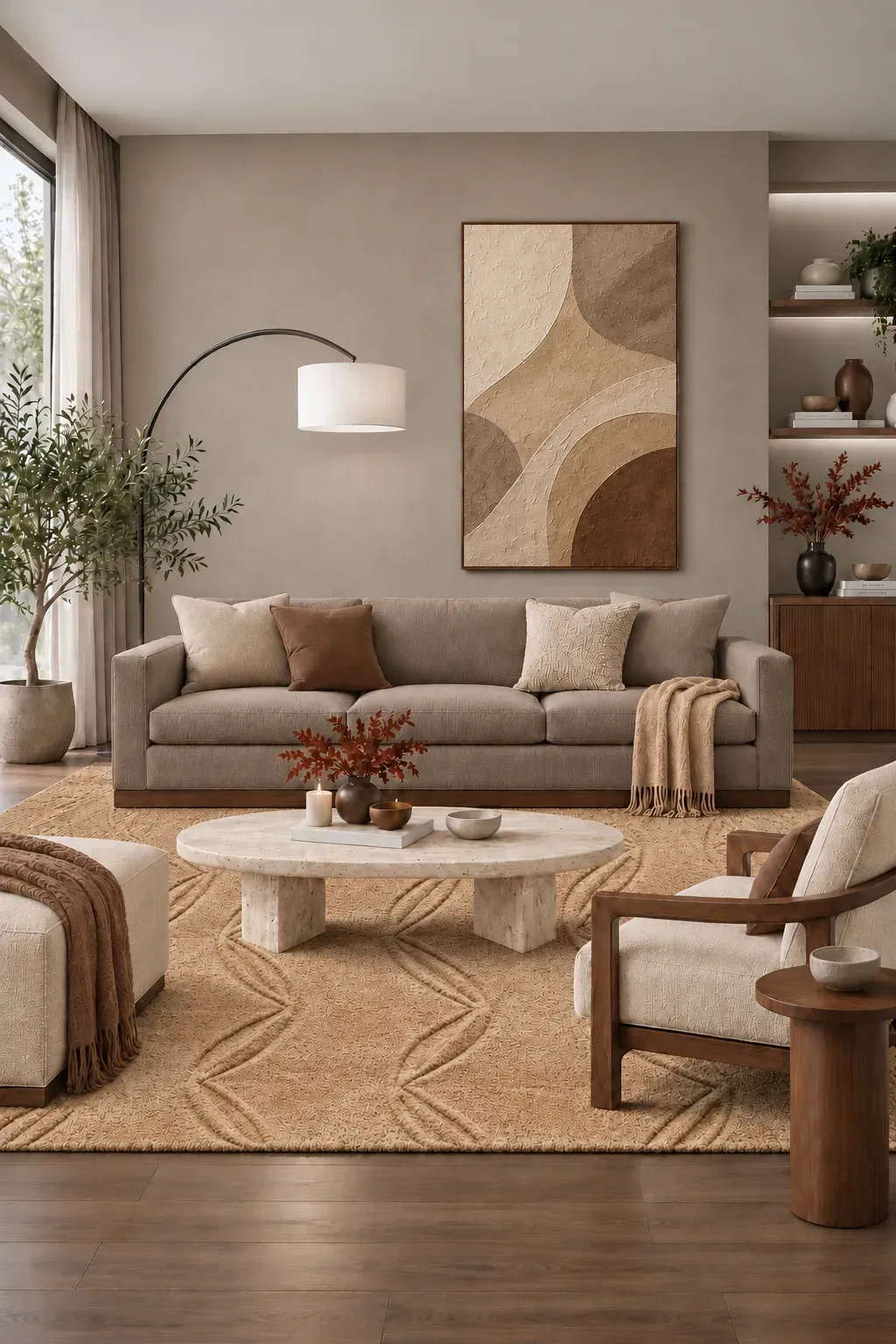
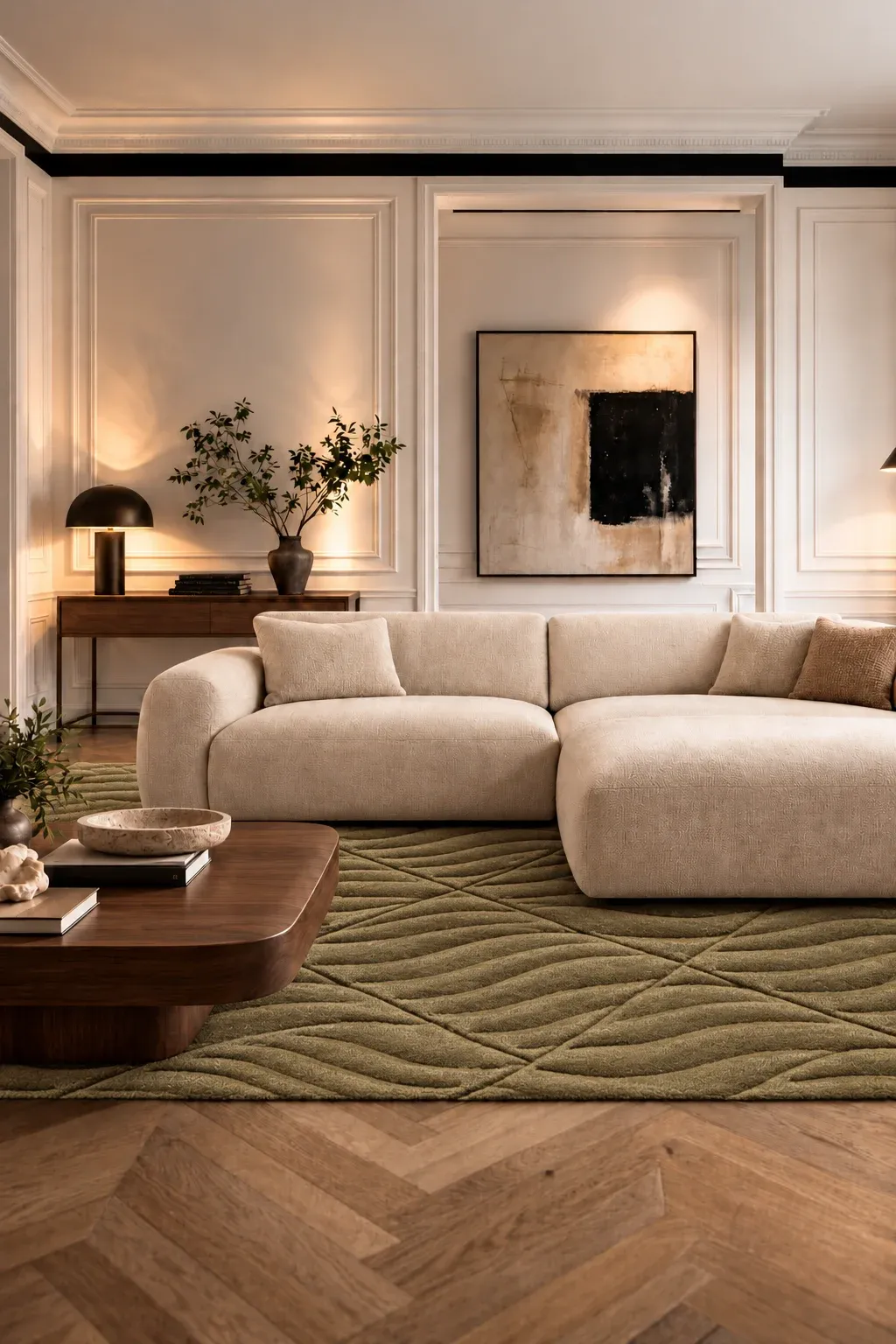
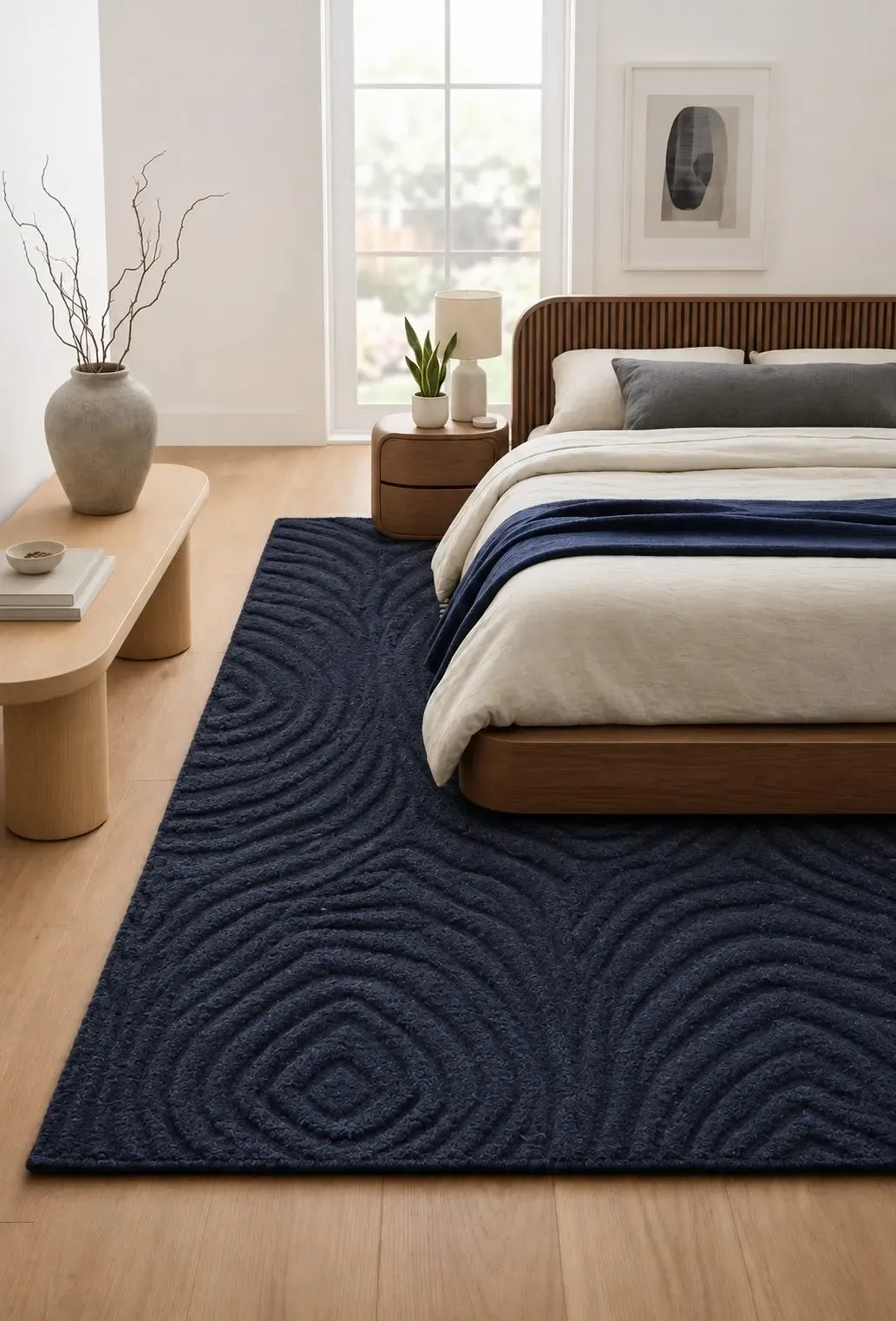
A traditional technique need not lead to a traditional-looking rug. The same loom can give life to a familiar motif or an abstract composition drawn from the lines of a contemporary room.
That freedom is central to bespoke work. We begin with the space and consider how the rug might belong within it. Sometimes the brief calls for a quiet field of colour. Elsewhere, the surface becomes a place for more expressive drawing.
Material gives those ideas their character:
- Wool can bring a soft, matte warmth, with resilience suited to everyday use
- Silk introduces lustre, allowing parts of a design to emerge as the light or viewing angle changes
- Blends offer different relationships between texture and sheen, depending on the fibres chosen
Construction matters just as much. Our collection includes hand-knotted work alongside handwoven and hand-tufted pieces. We consider the technique in relation to the finish being sought and how the rug will be lived with.
Colour develops through sampling. A shade that feels right on screen may look different once woven, where pile and light become part of its appearance. Physical samples bring that decision closer to the room itself.
Small variations in dye and yarn can lend a handmade surface depth. They sit within a carefully developed design, giving bespoke rugs their individuality without replacing the need for considered finishing.
How a Rug Becomes an Heirloom
An heirloom is not simply a rug that survives. It is a piece someone chooses to keep, and eventually to pass on. Craftsmanship supports that possibility, while years of use give it a more personal meaning.
The making deserves care at every stage.
- Understanding the room. We begin with its dimensions and the way it will be used. Light also matters, especially where a subtle palette or luminous fibre is being considered.
- Refining the design. Samples allow us to assess colour within the proposed construction. Proportions can be reviewed before the full piece takes shape.
- Giving the weaving time. Hand-knotted work can take several months, depending on scale and complexity. Thousands of individual gestures gradually become a continuous surface.
- Completing the finish. For a hand-knotted rug, weaving is followed by processes such as washing and shearing. These help reveal the intended texture and prepare the piece for its setting.
Our bespoke design process allows these decisions to develop together, rather than treating custom sizing as the only consideration.
Once the rug enters a home, its care becomes part of the story. Cleaning appropriate to its fibres helps preserve the surface. Thoughtful placement can also limit unnecessary exposure to strong sunlight.
With suitable care, a well-made rug may remain in use for generations. Its future need not be tied to the room it was first made for. In another home, its colours may find new companions, while the memory of where it began stays with the family.
A Commission, Not a Purchase
Commissioning a rug creates room for a more personal exchange. An idea can begin with something as small as a fabric fragment, then develop as we explore what it might become beneath the furniture.
We welcome these conversations with trade professionals and private homeowners alike. Our handcrafted rug collection can offer a starting point, or we can develop a bespoke direction around a particular brief.
Working directly with us as your rug manufacturer keeps the discussion connected to the making. We can explore the construction alongside the design, with samples helping bring the two into focus.
If you are considering a commission, share your vision with us. There is no need for every detail to be resolved before the conversation begins.
Heritage, Carried Forward
A rug from Giada begins a different chapter when it leaves our mill. It becomes part of a home, familiar through daily use and gradually associated with the life around it.
Heritage gives us the knowledge to make it with care. Becoming an heirloom takes time, and the affection of those who choose to keep it. We create our bespoke rugs with that possibility in mind.